
Travel to the United Kingdom with Air Canada Vacationshttp://vacations.aircanada.com/media/images/common/csstorage/destination/EuropeCountries/UK_overview_001_s.jpgtravel united kingdom
Travel is the movement of folks between relatively distant physical locations, and can require travel by foot, bi-cycle, automobile, train, boat, airplane, or other means, with or without luggage, and can be one way or round trip. Journey can include relatively short stays between successive actions.
The origin of the word "travel" is most likely lost to background. The term "travel" may originate from the Aged French word travail. Based to the Merriam Webster dictionary, the first known use of the word travel was in the fourteenth century. Additionally, it states that the word arises from Midsection English travailen, travelen (which means to torment, labor, strive, journey) and before from Old French travailler (which means to work strenuously, toil). In English we still occasionally use the words travail and travails, which mean struggle. According to Simon Winchester in his book The Best Travelers' Tales (2004), the words travel and travail both discuss an even more historic root: a Roman device of torture called the tripalium (in Latin it means "three stakes", as in to impale). This link reflects the extreme difficulty of travel in olden days. Also note the torturous connotation of the word "travailler. " Today, travel may or might not exactly be easier depending on the destination you choose (i. e., Mt. Everest, the Amazon rainforest), how you plan to get there (tour bus, cruise trip ship, or oxcart), and whether or not you decide to "rough it (see extreme tourism and adventure travel). "There's a major difference between simply being a tourist and as being a true world traveler, inches notes travel writer Eileen Kasum. This is, however, a contested distinction as academic work on the cultures and sociology of travel has noted.
Factors for traveling include entertainment, tourism or vacationing, research travel for the gathering of information, for vacation to visit people, offer travel for charity, immigration to commence life someplace else, religious pilgrimages and mission trips, business travel, trade, commuting, and other reasons, such concerning obtain health care or waging or fleeing war or for the enjoyment of traveling. Travel may happen by human-powered transport such as walking or riding a bicycle, or with vehicles, such as public transport, cars, trains and airplanes.
Motives traveling include:
- pleasure
- leisure
- discovery and exploration
- getting to know other civilizations
- taking personal moment for building interpersonal relationships
Travel may be local, regional, national (domestic) or international. In some countries, non-local interior travel may require an internal passport, while international travel typically requires a passport and visa. The trip may also be part of a round-trip, that is a particular type of travel where a person moves in one location to another and returns.
Once difficult, sluggish and dangerous, travel has tended to become easier, quicker, and much more frivolous in the course of history. The evolution of technology such as horse add and bullet trains has written for this trend.
Authorities emphasize the benefit of taking precautions to ensure travel safety. When traveling overseas, the odds favor a safe and incident-free vacation, however, travelers can be subject to difficulties, criminal offense and violence. Some security considerations include being aware of one's surroundings, keeping away from being the target of the crime, leaving copies of one's passport and itinerary information with trusted people, acquiring medical insurance valid in the country being visited and registering with a person's national embassy when arriving in a foreign country. Many countries do not recognize drivers' licenses from a different nation; however most countries acknowledge international driving permits. Auto insurance policies issued in their own country are often invalid in foreign nations, in fact it is often a necessity to obtain non permanent auto insurance valid in the country being visited. It is also a good idea to become oriented with the driving-rules and -regulations of vacation spot countries. Wearing a chair belt is extremely a good idea for safety reasons; many nations have penalties for violating seatbelt laws.
UNITED KINGDOM LONDON PRIDE
 http://www.tour-smart.co.uk/images/dynamicImages/image/London,%20U_K_/tower%20bridge%202.jpg
Manchester Travel, United Kingdom Find holiday information Expedia
 https://images.trvl-media.com/media/content/shared/images/travelguides/destination/180010/Manchester-40556.jpg
Paycation Travel United Kingdom November 2014
 http://image.slidesharecdn.com/paycationunitedkingdom112014-141112150726-conversion-gate01/95/paycation-travel-united-kingdom-november-2014-1-638.jpg?cb=1415804965
Leicester Travel, United Kingdom Find holiday information Expedia
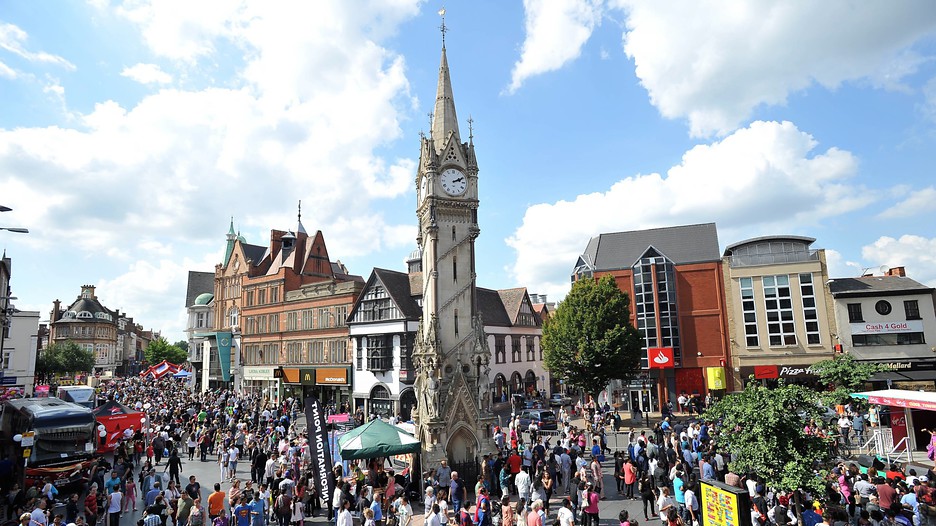 https://images.trvl-media.com/media/content/shared/images/travelguides/destination/7583/Leicester-86748.jpg
OIP.Mfa39ccd27360076dbf321c16cf9652c8o0
97799B710924D357AEBDD0D7B8B767CB660F8EE4Dhttp://vacations.aircanada.com/en/vacation_packages/destinations/United-Kingdom
Embed Our image to your website
ThumbnailEmbed Our image to a Forum
ThumbnailImagevacations.aircanada.com
Travel to the United Kingdom with Air Canada Vacations

Travel through Africa: How to Travel Through Africa?https://blogger.googleusercontent.com/img/b/R29vZ2xl/AVvXsEgW50Sle2v40qiuux5xOFmM00A9XLwMkZ94llefGeI3zaaQI3Li-jAS96oeDFRQAjMvtxbfcRSAdJ3Yr8JVhU_Kpg3nGb3RJ90v0O0BaDKCqgyjpVonXmppzyDn8bfmWIdkuwW3dDN9MooB/s1600/African-sunset_80835774@N00_nc.jpgtravel africa
Journey is the movement of individuals between relatively distant geographical locations, and can require travel by foot, bicycle, automobile, train, boat, airplane, or other means, with or without luggage, and can be one way or round trip. Traveling can include relatively short stays between successive movements.
The origin of the word "travel" is most likely lost to history. The term "travel" may originate from the Older French word travail. Based to the Merriam Webster dictionary, the first known use of the phrase travel was in the fourteenth century. It also states that the word comes from Center English travailen, travelen (which means to torment, work, strive, journey) and previously from Old French travailler (which means to work strenuously, toil). In The english language we still occasionally use the text travail and opération, which mean struggle. Based to Simon Winchester in his book The very best Travelers' Tales (2004), what travel and travail both discuss an even more ancient root: a Roman device of torture called the tripalium (in Latin it means "three stakes", as in to impale). This particular link reflects the extreme difficulty of travel in ancient times. Also note the torturous connotation of the word "travailler. " Today, travel may or might not be much simpler depending on the destination you choose (i. e., Mt. Everest, the Amazon rainforest), how you plan to get there (tour bus, luxury cruise ship, or oxcart), and whether or not you decide to "rough it (see extreme tourism and adventure travel). "There's a large difference between simply being a tourist and being a true world traveler, inches notes travel writer Eileen Kasum. This is, however, a contested distinction as academic work on the cultures and sociology of travel has noted.
Factors for traveling include recreation, tourism or vacationing, research travel for the accumulating of information, for vacation to visit people, volunteer travel for charity, migration to start life somewhere else, religious pilgrimages and mission trips, business travel, trade, commuting, and other reasons, such as to obtain health care or waging or fleeing war or for the enjoyment of traveling. Travel may happen by human-powered transport such as walking or riding a bicycle, or with vehicles, such as public transport, automobiles, trains and airplanes.
Reasons traveling include:
- pleasure
- rest
- discovery and exploration
- getting to know other ethnicities
- taking personal time for building interpersonal relationships
Travel may be local, regional, national (domestic) or international. In some countries, non-local interior travel may require an internal passport, while international travel typically requires a passport and visa. The trip can also be part of a round-trip, which is a particular type of travel whereby a person moves in one location to another and returns.
Once difficult, slower and dangerous, travel has tended to become easier, quicker, plus more frivolous in the course of background. The evolution of technology such as horse add and bullet trains has written for this trend.
Government bodies emphasize the benefit of taking precautions to ensure travel safety. When traveling in foreign countries, the odds favor a safe and incident-free trip, however, travelers can be subject to difficulties, criminal offense and violence. Some safety considerations include being aware of one's surroundings, avoiding being the target of the crime, leaving copies of one's passport and itinerary information with trusted people, getting medical insurance valid in the country being frequented and registering with one's national embassy when coming in a foreign country. Many countries do not recognize drivers' licenses from other countries; however most countries take international driving permits. Automobile insurance policies issued in one's own country are often invalid in foreign nations around the world, and it is often a requirement to obtain momentary automobile insurance valid in the country being visited. It is also a good idea to be oriented with the driving-rules and -regulations of vacation spot countries. Wearing a seats belt is highly recommended for safety reasons; many countries have penalties for breaking seatbelt laws.
Africa Johannesburg, Cape Town and Durban : : Africa Travel Buddy
 http://www.cheapflightsforafrica.co.uk/blog/wp-content/uploads/2011/01/south-Africa3.jpg
Egypt travel Vacation in North Africa
 http://vacationxtravel.com/wp-content/uploads/2011/12/Egypt-the-Most-Amazing-Vacation-destination-in-North-Africa.jpg
Travel in Africa Where to go in Africa Places to Holiday in Africa
 http://www.journeymart.com/de/region-maps/africa-map.gif
1Up Travel Maps of Africa Continent. Africa [Political Map] 1998
![1Up Travel Maps of Africa Continent. Africa [Political Map] 1998](https://lh3.googleusercontent.com/blogger_img_proxy/AEn0k_u6U4zUAGapkMwWv_yw2N56lweZkYhvavmdK96YWpX33e3DHEP9PtqLvDfy2RHCpidwyPeyzK6sTfVElnzgICbv4nfDwiTbaq_L3X6stuixf5RMT5bkZl5zCw=s0-d "1Up Travel Maps of Africa Continent. Africa [Political Map] 1998") http://www.lib.utexas.edu/maps/africa/africa_pol98.jpg
http://www.lib.utexas.edu/maps/africa/africa_pol98.jpgOIP.M7db53cd6d449fa86925afafe784ba1ceo0
825A93E1513855B73CF41F9300BBDB8F9654D3CBAhttp://africatravelling.blogspot.com/2013/10/how-to-travel-through-africa.html
Embed Our image to your website
ThumbnailEmbed Our image to a Forum
ThumbnailImageafricatravelling.blogspot.com
Travel through Africa: How to Travel Through Africa?

Let39;s travel to Patagonia, Argentina with Jakub Polomski Argentina http://www.letstravelsomewhere.com/wp-content/uploads/2013/03/lets-travel-to-argentina-patagonia-el-chalten-with-jakub-polomski-3.jpgtravel argentina
Journey is the movement of folks between relatively distant physical locations, and can require travel by foot, bike, automobile, train, boat, aircraft, or other means, with or without luggage, and can be one way or round trip. Travel can include relatively brief stays between successive movements.
The origin of the word "travel" is most likely lost to historical past. The term "travel" may originate from the Older French word travail. Based to the Merriam Webster dictionary, the first known use of the word travel was at the 14th century. It also states that the word arises from Middle English travailen, travelen (which means to torment, work, strive, journey) and previously from Old French travailler (which means to work strenuously, toil). In English we still occasionally use what travail and action, which mean struggle. Based to Simon Winchester in his book The Best Travelers' Tales (2004), what travel and travail both discuss an even more old root: a Roman device of torture called the tripalium (in Latin it means "three stakes", as in to impale). This particular link reflects the extreme difficulty of travel in olden days. Also note the torturous connotation of the word "travailler. " Today, travel may or might not be much simpler depending on the destination you choose (i. e., Mt. Everest, the Amazon rainforest), how you plan to get there (tour bus, cruise ship, or oxcart), and whether or not you decide to "rough it (see extreme tourism and adventure travel). "There's a major difference between simply being a tourist and becoming a true world traveler, inch notes travel writer Michael Kasum. This is, however, a contested distinction as academic work on the cultures and sociology of travel has noted.
Factors for traveling include recreation, tourism or vacationing, research travel for the gathering of information, for vacation to visit people, volunteer travel for charity, migration to commence life anywhere else, religious pilgrimages and mission trips, business travel, trade, commuting, and other reasons, such concerning obtain health care or waging or fleeing war or for the enjoyment of traveling. Travel may take place by human-powered transport such as walking or riding a bicycle, or with vehicles, such as public transport, automobiles, trains and airplanes.
Motives to travel include:
- pleasure
- relaxation
- discovery and exploration
- getting to know other cultures
- taking personal moment for building interpersonal relationships
Travel may be local, regional, countrywide (domestic) or international. In some countries, non-local inner travel may require an internal passport, while international travel typically requires a passport and visa. The trip are often part of a round-trip, that is a particular type of travel where a person moves from location to another and returns.
Once difficult, slower and dangerous, travel has tended to become easier, quicker, plus more frivolous in the course of historical past. The evolution of technology such as horse tack and bullet trains has written for this trend.
Regulators emphasize the benefit of taking precautions to ensure travel safety. When traveling abroad, the odds favor a safe and incident-free journey, however, travelers can be subject to difficulties, offense and violence. Some safety considerations include being aware of one's surroundings, staying away from being the target of any crime, leaving copies of the passport and itinerary information with trusted people, acquiring medical insurance valid in the country being visited and registering with one's national embassy when arriving in a foreign country. Many countries do not recognize drivers' licenses from a different nation; however most countries acknowledge international driving permits. Auto insurance policies issued in a person's own country are often invalid in foreign nations, in fact it is often a necessity to obtain non permanent car insurance valid in the country being visited. This is also highly recommended to be oriented with the driving-rules and -regulations of vacation spot countries. Wearing a seats belt is extremely highly recommended for safety reasons; many nations have penalties for violating seatbelt laws.
travel to Argentina with Georges Courreges Argentina Let39;s Travel
 http://www.letstravelsomewhere.com/wp-content/uploads/2013/01/georges-courreges-argentina-valles-calchaquies.jpg
Let39;s travel to Patagonia, Argentina with Jakub Polomski Argentina
 http://www.letstravelsomewhere.com/wp-content/uploads/2013/03/lets-travel-to-argentina-patagonia-perito-moreno-with-jakub-polomski-3.jpg
Create a Customized Argentina Travel Package
 http://www.unique-southamerica-travel-experience.com/images/argentina-tour-back.jpg
Los Glaciares National Park – Argentina World for Travel
 http://www.worldfortravel.com/wp-content/uploads/2015/02/Los-Glaciares-National-Park-Mountains.jpg
OIP.Mbbe667815f3c358d92be344d937c8c6fH0
3B22C854AF0DFD111A9E44B4A70FDA2A68D591789http://www.letstravelsomewhere.com/travel-inspiration/jakub-polomski-argentina/
Embed Our image to your website
ThumbnailEmbed Our image to a Forum
ThumbnailImageletstravelsomewhere.com
Let39;s travel to Patagonia, Argentina with Jakub Polomski Argentina

Zimbabwe Travel Guide and Travel Infohttps://blogger.googleusercontent.com/img/b/R29vZ2xl/AVvXsEggSF9qqryEWS5QgB1Lo8UeRYNNqB0AOiOvAyRYbfDxMksuJLWIydkDYYeoc4W6O7icI3ivw5oxKjgc-FT7Ub77rCBZoKI26LKf4b793WN1ucAKD9m2GOqKvRnziHERVX_6pVVr8tCbNGrT/s1600/zimbabwe.jpgtravel zimbabwe
Traveling is the movement of folks between relatively distant physical locations, and can require travel by foot, bike, automobile, train, boat, plane, or other means, with or without luggage, and can be one way or round trip. Travel can include relatively short stays between successive actions.
The origin of the word "travel" is most likely lost to history. The term "travel" may originate from the Older French word travail. Based to the Merriam Webster dictionary, the first known use of the term travel was in the 14th century. It also states that the word arises from Middle English travailen, travelen (which means to torment, labor, strive, journey) and previously from Old French travailler (which means to work strenuously, toil). In English we still occasionally use the words travail and travails, which mean struggle. Based to Simon Winchester in his book The very best Travelers' Tales (2004), what travel and travail both discuss an even more historic root: a Roman device of torture called the tripalium (in Latin it means "three stakes", as in to impale). This particular link reflects the extreme difficulty of travel in ancient times. Also note the torturous connotation of the word "travailler. " These days, travel may or might not exactly be easier depending when the destination you choose (i. e., Mt. Everest, the Amazon rainforest), how you plan to get there (tour bus, cruise ship, or oxcart), and whether or not you decide to "rough it (see extreme tourism and adventure travel). "There's a major difference between simply being a tourist and as being a true world traveler, inches notes travel writer Michael Kasum. This is, however, a contested distinction as academic work on the cultures and sociology of travel has noted.
Causes for traveling include entertainment, tourism or vacationing, research travel for the accumulating of information, for getaway to visit people, you are not selected travel for charity, immigration to get started life anywhere else, religious pilgrimages and mission trips, business travel, trade, commuting, and other reasons, such as to obtain health care or waging or fleeing war or for the enjoyment of traveling. Travel may happen by human-powered transport such as walking or riding a bicycle, or with vehicles, such as public transport, cars, trains and airplanes.
Reasons traveling include:
- pleasure
- rest
- discovery and exploration
- getting to know other ethnicities
- taking personal moment for building interpersonal relationships
Travel may be local, regional, countrywide (domestic) or international. Within some countries, non-local interior travel may require an internal passport, while international travel typically requires a passport and visa. A trip may also be part of a round-trip, that is a particular type of travel whereby a person moves from one location to another and returns.
Once difficult, slower and dangerous, travel has tended to become easier, quicker, and much more frivolous in the course of historical past. The evolution of technology such as horse tack and bullet trains has contributed to this trend.
Authorities emphasize the significance of taking precautions to ensure travel safety. When traveling overseas, the odds favor a safe and incident-free vacation, however, travelers can be subject to difficulties, criminal offense and violence. Some security considerations include being aware of one's surroundings, keeping away from being the target of any crime, leaving copies of the passport and itinerary information with trusted people, obtaining medical insurance valid in the country being visited and registering with their national embassy when coming in a foreign country. Many countries do not recognize drivers' licenses from other countries; however most countries accept international driving permits. Car insurance policies issued in one's own country are often invalid in foreign countries, plus its often a requirement to obtain non permanent car insurance valid in the country being visited. This is also recommended to be oriented with the driving-rules and -regulations of vacation spot countries. Wearing a seat belt is extremely recommended for safety reasons; many nations around the world have penalties for breaking seatbelt laws.
why travel to zimbabwe why should you travel to zimbabwe why should
 http://www.journeyinstyle.co.za/wp-content/uploads/2015/01/zimbabwe.jpg
Tours in Zimbabwe 7
 https://saluteafrica.co.za/wp-content/uploads/2012/03/Tours-in-Zimbabwe-7.jpg
Victoria Falls wallpaper free background picture for your computer
 http://travel.desktop-wallpaper-photo.com/pictures/Victoria-Falls-Wallpaper-1280x960-00036.jpg
Zimbabwe Travel Guide
 http://images.mapsofworld.com/travel/2013/04/zimbabwe-e1365490834458.jpg
OIP.Mee25fefff9d14899712264099deb3af8H0
1FE3DA45DDF18FFBCAD1FC78A5396EBD2D6B58B23http://www.tourist-destinations.com/2011/06/zimbabwe.html
Embed Our image to your website
ThumbnailEmbed Our image to a Forum
ThumbnailImagetourist-destinations.com
Zimbabwe Travel Guide and Travel Info

Cape Peninsula Tour, Cape Townhttp://www.swaindestinations.com/africa/images/activities/background/cape-peninsula-tour.jpgtravel africa
Travel is the movement of individuals between relatively distant geographical locations, and can include travel by foot, bicycle, automobile, train, boat, plane, or other means, with or without luggage, and can be one way or round trip. Travel can have relatively quick stays between successive actions.
The origin of the word "travel" is most likely lost to historical past. The term "travel" may originate from the Aged French word travail. According to the Merriam Webster dictionary, the first known use of the phrase travel was in the fourteenth century. In addition, it states that the word comes from Middle English travailen, travelen (which means to torment, labour, strive, journey) and earlier from Old French travailler (which means to work strenuously, toil). In English we still occasionally use the text travail and travails, which mean struggle. In accordance to Simon Winchester in his book The most effective Travelers' Tales (2004), what travel and travail both discuss an even more historic root: a Roman instrument of torture called the tripalium (in Latin it means "three stakes", as in to impale). This link reflects the extreme difficulty of travel in ancient times. Also note the torturous connotation of the word "travailler. " These days, travel may or may well not be much easier depending on the destination you choose (i. e., Mt. Everest, the Amazon rainforest), how you plan to get there (tour bus, cruise trip ship, or oxcart), and whether or not you decide to "rough it (see extreme tourism and adventure travel). "There's a large difference between simply being a tourist and as being a true world traveler, inches notes travel writer Michael Kasum. This is, however, a contested distinction as academic work on the cultures and sociology of travel has noted.
Factors for traveling include recreation, tourism or vacationing, research travel for the gathering of information, for holiday to visit people, offer travel for charity, migration to start life someplace else, religious pilgrimages and mission trips, business travel, trade, commuting, and other reasons, such concerning obtain health care or waging or fleeing war or for the enjoyment of traveling. Travel may occur by human-powered transport such as walking or bicycling, or with vehicles, such as public transport, vehicles, trains and airplanes.
Reasons going include:
- pleasure
- relaxation
- discovery and exploration
- getting to know other ethnicities
- taking personal time for building interpersonal relationships
Travel may be local, regional, nationwide (domestic) or international. In some countries, non-local interior travel may require an internal passport, while international travel typically requires a passport and visa. A new trip can also be part of a round-trip, the industry particular type of travel whereby a person moves from one location to another and returns.
Once difficult, sluggish and dangerous, travel has tended to become easier, quicker, and more frivolous in the course of background. The evolution of technology such as horse tack and bullet trains has contributed to this trend.
Authorities emphasize the significance of taking precautions to ensure travel safety. When traveling overseas, the odds favor a safe and incident-free trip, however, travelers can be subject to difficulties, offense and violence. Some safety considerations include being aware of one's surroundings, keeping away from being the target of the crime, leaving copies on the passport and itinerary information with trusted people, getting medical insurance valid in the country being visited and registering with their national embassy when being released on the in a foreign country. Many countries do not recognize drivers' licenses from other countries; however most countries accept international driving permits. Auto insurance policies issued in one's own country are often invalid in foreign countries, in fact it is often a necessity to obtain momentary automobile insurance valid in the country being visited. It is also recommended to get oriented with the driving-rules and -regulations of destination countries. Wearing a chair belt is highly a good idea for safety reasons; many nations have penalties for breaking seatbelt laws.
Beautiful Country South Africa Wallpapers Cute Girls Celebrity
 https://blogger.googleusercontent.com/img/b/R29vZ2xl/AVvXsEjvRUCaLxr8xfpVlMNyyE0U_r5-y4y4JY89hetVAdtzu33tlgCBICPJ3rCrMqqsIaZo1haUhwj3mt4ZwLYxhNE17iOP22_CLObw2urfqjQqy3S6RuhlZJ8xOjgvK7aJHZH298Q-m9fCmb3H/s1600/South+Africa+Apple+Mac+Travel+Resort.jpg
Planning a trip to South Africa? Here are some useful resources
 http://africatamed.co.za/blog/images/Kruger_National_Park_-_sunset.jpg
Kaleidoscope of South Africa Charming Asia Tours
 http://www.charmingasiatours.com/wp-content/uploads/2013/07/cape-town-south-africa-3.jpg
If we believed everything that we are fed about Africa by charity
 http://www.eco-friendly-africa-travel.com/images/map-of-africa-countries.gif
OIP.Mb73478ad223216965cb8d67adfcec701H0
6975DBB633B543A55E518FB9587ADB09AB168AB57http://www.swaindestinations.com/africa/activities/187/cape-peninsula-tour
Embed Our image to your website
ThumbnailEmbed Our image to a Forum
ThumbnailImageswaindestinations.com
Cape Peninsula Tour, Cape Town

senegal dakar centre ville magic land tourism travel photographer http://www.robinwyatt.org/photography/wp-content/uploads/2012/01/senegal-dakar-centre-ville-magic-land-tourism-travel-photographer-aerial-photography-kenya-airways-16820.jpgtravel senegal
Journey is the movement of men and women between relatively distant geographical locations, and can include travel by foot, bike, automobile, train, boat, plane, or other means, with or without luggage, and can be one way or round trip. Travel can also include relatively quick stays between successive motions.
The origin of the word "travel" is most likely lost to historical past. The term "travel" may originate from the Aged French word travail. According to the Merriam Webster dictionary, the first known use of the term travel was at the fourteenth century. In addition, it states that the word arises from Middle English travailen, travelen (which means to torment, labor, strive, journey) and before from Old French travailler (which means to work strenuously, toil). In British we still occasionally use the words travail and action, which mean struggle. Based to Simon Winchester in his book The most effective Travelers' Tales (2004), the text travel and travail both share an even more ancient root: a Roman instrument of torture called the tripalium (in Latin it means "three stakes", as in to impale). This specific link reflects the extreme difficulty of travel in olden days. Also note the torturous connotation of the word "travailler. " Nowadays, travel may or may well not be much easier depending after the destination you choose (i. e., Mt. Everest, the Amazon rainforest), how you plan to get there (tour bus, cruise ship, or oxcart), and whether or not you decide to "rough it (see extreme tourism and adventure travel). "There's a large difference between simply being a tourist and as being a true world traveler, inch notes travel writer Jordan Kasum. This is, however, a contested distinction as academic work on the cultures and sociology of travel has noted.
Causes for traveling include recreation, tourism or vacationing, research travel for the gathering of information, for getaway to visit people, volunteer travel for charity, migration to get started life somewhere else, religious pilgrimages and mission trips, business travel, trade, commuting, and other reasons, such concerning obtain health care or waging or fleeing war or for the enjoyment of traveling. Travel may take place by human-powered transport such as walking or riding a bicycle, or with vehicles, such as public transport, automobiles, trains and airplanes.
Motives going include:
- pleasure
- relaxation
- discovery and exploration
- getting to know other cultures
- taking personal moment for building interpersonal relationships
Travel may be local, regional, national (domestic) or international. Within some countries, non-local internal travel may require an internal passport, while international travel typically requires a passport and visa. The trip may also be part of a round-trip, that is a particular type of travel whereby a person moves from location to another and returns.
Once difficult, slower and dangerous, travel has tended to become easier, quicker, and much more frivolous in the course of history. The evolution of technology such as horse add and bullet trains has written for this trend.
Authorities emphasize the value of taking precautions to ensure travel safety. When traveling in foreign countries, the odds favor a safe and incident-free trip, however, travelers can be subject to difficulties, crime and violence. Some safety considerations include being aware of one's surroundings, staying away from being the target of the crime, leaving copies on the passport and itinerary information with trusted people, getting medical insurance valid in the country being frequented and registering with a person's national embassy when coming in a foreign country. Many countries do not recognize drivers' licenses from a different nation; however most countries acknowledge international driving permits. Automobile insurance policies issued in one's own country are often invalid in foreign countries, plus its often a need to obtain non permanent auto insurance valid in the country being visited. That is also highly recommended to be oriented with the driving-rules and -regulations of location countries. Wearing a chair belt is highly recommended for safety reasons; many nations have penalties for violating seatbelt laws.
Travel amp; Adventures: Senegal Sénégal. A voyage to Senegal, Africa
 https://blogger.googleusercontent.com/img/b/R29vZ2xl/AVvXsEgBq3SUojpQaOS5MZxYUq_JfDbkQNaQFPZTrjJqJpC3tC76M2gNSnTcsnhw3HLNpQS1mZKIN06kBoJ2Q3-dUHsl3axAxFIeOWSNmTN0OcfbKsJSfYr40JqSe11cSdkwdoHJBAUPOl5S2TfJ/s1600/Senegal+32.jpg
travel to Senegal, Africa with Drew Echberg Senegal Let39;s Travel
 http://www.letstravelsomewhere.com/wp-content/uploads/2013/02/lets-travel-to-senegal-africa-with-Drew-Echberg-10.jpg
Lake Retba – Senegal World for Travel
 http://www.worldfortravel.com/wp-content/uploads/2012/12/Lake-Retba-Senegal-750x500.jpg
travelsenegalmap.gif
 http://www.abercrombiekent.com/assets_global/media/images/maps/country/travel-senegal-map.gif
OIP.M41031631ef8eef77a4e67a5c54fd8804H0
51A7492760FAED8B1F70E847737CDF7CC104238F4http://www.robinwyatt.org/photography/photo-essays/senegal-travel-in-the-land-of-hospitality/
Embed Our image to your website
ThumbnailEmbed Our image to a Forum
ThumbnailImagerobinwyatt.org
senegal dakar centre ville magic land tourism travel photographer

Travel Russia, Moscow Tourist Attractions – Travel Around The World http://www.mytripolog.com/wp-content/uploads/2012/08/Saint-Basil-Cathedral-Red-Square-Moscow-Wallpaper.jpgtravel russia
Journey is the movement of folks between relatively distant physical locations, and can include travel by foot, bi-cycle, automobile, train, boat, airplane, or other means, with or without luggage, and can be one way or round trip. Traveling can also include relatively brief stays between successive actions.
The origin of the word "travel" is most likely lost to history. The term "travel" may originate from the Aged French word travail. Based to the Merriam Webster dictionary, the first known use of the phrase travel was in the fourteenth century. It also states that the word originates from Center English travailen, travelen (which means to torment, labour, strive, journey) and before from Old French travailler (which means to work strenuously, toil). In British we still occasionally use what travail and action, which mean struggle. According to Simon Winchester in his book The very best Travelers' Tales (2004), what travel and travail both reveal an even more ancient root: a Roman instrument of torture called the tripalium (in Latin it means "three stakes", as in to impale). This specific link reflects the extreme difficulty of travel in olden days. Also note the torturous connotation of the word "travailler. " Nowadays, travel may or might not be easier depending after the destination you choose (i. e., Mt. Everest, the Amazon rainforest), how you plan to get there (tour bus, cruise trip ship, or oxcart), and whether or not you decide to "rough it (see extreme tourism and adventure travel). "There's a major difference between simply being a tourist and being a true world traveler, inches notes travel writer Eileen Kasum. This is, however, a contested distinction as academic work on the cultures and sociology of travel has noted.
Factors for traveling include entertainment, tourism or vacationing, research travel for the accumulating of information, for vacation to visit people, volunteer travel for charity, immigration to commence life someplace else, religious pilgrimages and mission trips, business travel, trade, commuting, and other reasons, such concerning obtain health care or waging or fleeing war or for the enjoyment of traveling. Travel may take place by human-powered transport such as walking or bicycling, or with vehicles, such as public transport, vehicles, trains and airplanes.
Motives going include:
- pleasure
- leisure
- discovery and exploration
- getting to know other cultures
- taking personal coming back building interpersonal relationships
Travel may be local, regional, nationwide (domestic) or international. Inside some countries, non-local internal travel may require an internal passport, while international travel typically requires a passport and visa. A trip can also be part of a round-trip, that is a particular type of travel where a person moves from location to another and returns.
Once difficult, slower and dangerous, travel has tended to become easier, quicker, plus more frivolous in the course of history. The evolution of technology such as horse tack and bullet trains has written for this trend.
Authorities emphasize the value of taking precautions to ensure travel safety. When traveling in foreign countries, the odds favor a safe and incident-free trip, however, travelers can be subject to difficulties, criminal offense and violence. Some protection considerations include being aware of one's surroundings, staying away from being the target of a crime, leaving copies on the passport and itinerary information with trusted people, obtaining medical insurance valid in the country being frequented and registering with a person's national embassy when arriving in a foreign country. Many countries do not recognize drivers' licenses from a different nation; however most countries acknowledge international driving permits. Automobile insurance policies issued in their own country are often invalid in foreign countries, plus its often a necessity to obtain momentary car insurance valid in the country being visited. This is also recommended to become oriented with the driving-rules and -regulations of vacation spot countries. Wearing a seat belt is extremely highly recommended for safety reasons; many nations have penalties for breaking seatbelt laws.
Educational Small Group Travel to Russia Tour Moscow, St. Petersburg
 http://i1.nyt.com/times-journeys/2014/03/DAY6-Tour-The-Kremlin-Moscow-Russia-133804831_20-1200x550.jpg
Moscow, Russia – Travel Info and Travel Guide Tourist Destinations
 https://blogger.googleusercontent.com/img/b/R29vZ2xl/AVvXsEjEex8FWmEK4KUB1B6cPZ3XHZM8GDW0JRCtDli9-IvgC9Lo3BwDKE67Jw8-MsWQ2NSbYoox25w5nXD3GEpAIYYAp05BbXQQwFw1zQkmszdqqrUJVpZsRrL88glfBGXU7AepqReapiu2Acy6/s1600/kremlin_and_red_square_fireworks_moscow_russia.jpg
russia travel landscape russia travel landscape picture source http
 http://www.deshow.net/d/file/travel/2009-06/russia-landscape-606-6.jpg
Russia Tours, Russia Tour, Russia Vacations, Russia Vacation, Russia
 http://www.europetravel.com/images/russia1.jpg
OIP.Mdfd99958ec861574178db75f55d36deeo0
83CF31E2F32D67CCE4A3B0CAF457840C3D40CCD78http://www.mytripolog.com/2012/08/travel-russia-moscow-tourist-attractions/
Embed Our image to your website
ThumbnailEmbed Our image to a Forum
ThumbnailImagemytripolog.com


